Main Page › Forums › L-5 History Forum › 78 Years ago: Hiroshima / Nagasaki August 6 & 9, 1945
Tagged: Hiroshima / Nagasaki 1945
- This topic has 0 replies, 1 voice, and was last updated 2 years, 11 months ago by
admin.
-
AuthorPosts
-
-
2023-08-06 at 4:24 pm #6392
The “Doomsday Clock” currently stands at 90 seconds to midnight (i.e. nuclear Armageddon). For those blithely unconcerned about this, a must read is the Atomic Heritage Foundation timeline of events covering the period of July 16 to September 2, 1945., from the “Trinity” test at Alamogordo to the Surrender of Japan aboard the U.S.S. Missouri. The destruction and loss of life from just two bombs dropped on August 6th and 9th was mind-bogglingly immense, and those weapons were many magnitudes smaller than what is wielded today. Click this link for some jaw-dropping Before-and-After photos: HERE.
Since the SOPA website is dedicated to L-5 aircraft, one of the connections is that many of the aerial photos and films of Hiroshima and Nagasaki were shot from Stinson L-5’s and OY-1’s. On 9 September, the 159th left Okinawa for occupation duty at Kanoya, Japan located at the southern end of Kyushu and they took some of the earliest low-altitude photos of the devastation. Marine Observation Squadron Two (VMO-2) arrived in Japan on Sept. 24, 1945, debarking at Sasebo naval base. They were one of the last elements of the 2nd Marine Division to arrive in Japan for occupation duty but were quickly moved to Isahaya Airfield, only 15 air miles from Ground Zero (GZ) in Nagasaki. This was just 36 days after “Fat Man” exploded over the city!
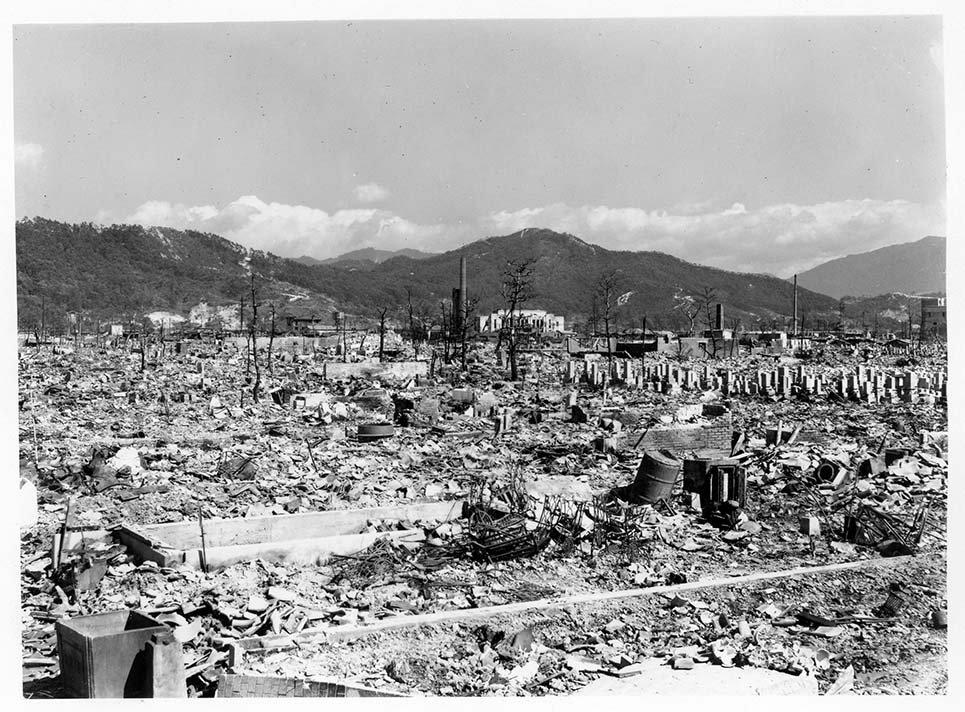
(Above, photo of Ngasaki from the Harry Truman Presidential Library)
VMO-2 proceeded to conduct photo reconnaissance, courier, passenger, evacuation, and mosquito control (DDT) flights. Two weeks after their arrival, the 1298th Engineer Combat Battalion constructed an airstrip for liaison aircraft just 900 feet southwest of Ground Zero. It was completed on October 11 in just twelve days with substantial help from Japanese laborers. One can just imagine the radiation-laden dust they were all breathing, not knowing the potential effects of exposure to high levels of radiation. This small airfield, nicknamed ‘Atomic Field’ was used extensively by both VMO-2 and the 159th Liaison Squadron aircraft to haul personnel and materials to and from Nagasaki through the end of May 1946.
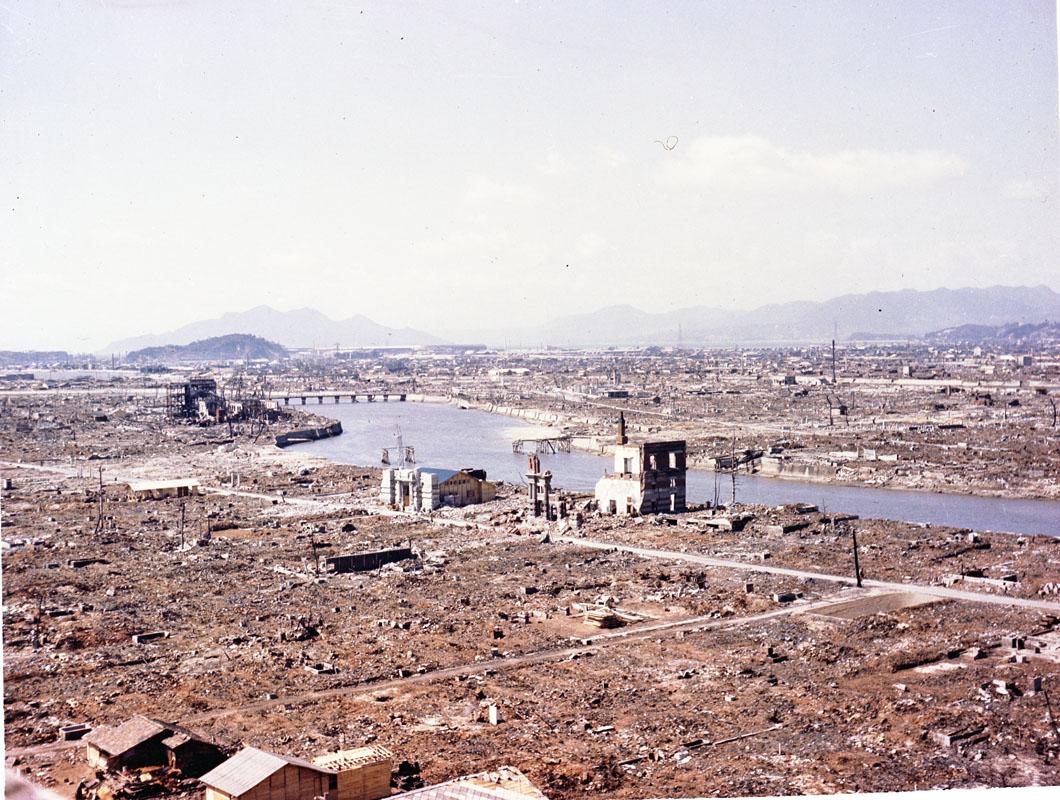
Here is a photo of Nagasaki that I scanned at the National Archives ten days ago. Photo reference 342-C-K6011 in the NSA collection.
-
-
AuthorPosts

- You must be logged in to reply to this topic.