Main Page › Forums › L-5 Maintenance Forum › Fuel Tank Drain Issue
- This topic has 0 replies, 1 voice, and was last updated 5 years, 2 months ago by
Sam Taber.
-
AuthorPosts
-
-
2021-06-29 at 9:11 pm #4410
L-5 fuel sump issues– As you already know our L-5s were originally 1940‘s military planes. The “State of the Art “ of the military aircraft designed in the early 40’s had some unique design features which were hold over ideas from 1930’s airplane operating lessons. Features like oil tank drains (for draining water from oil tank sumps), Passing lights, and reserve supply standpipes in fuel tanks are a few examples. Our L-5’s had none of those items ,but it did share another one in common with AT-6’s, BT-13’s and some others. Fuel tank desiccant cartridges.
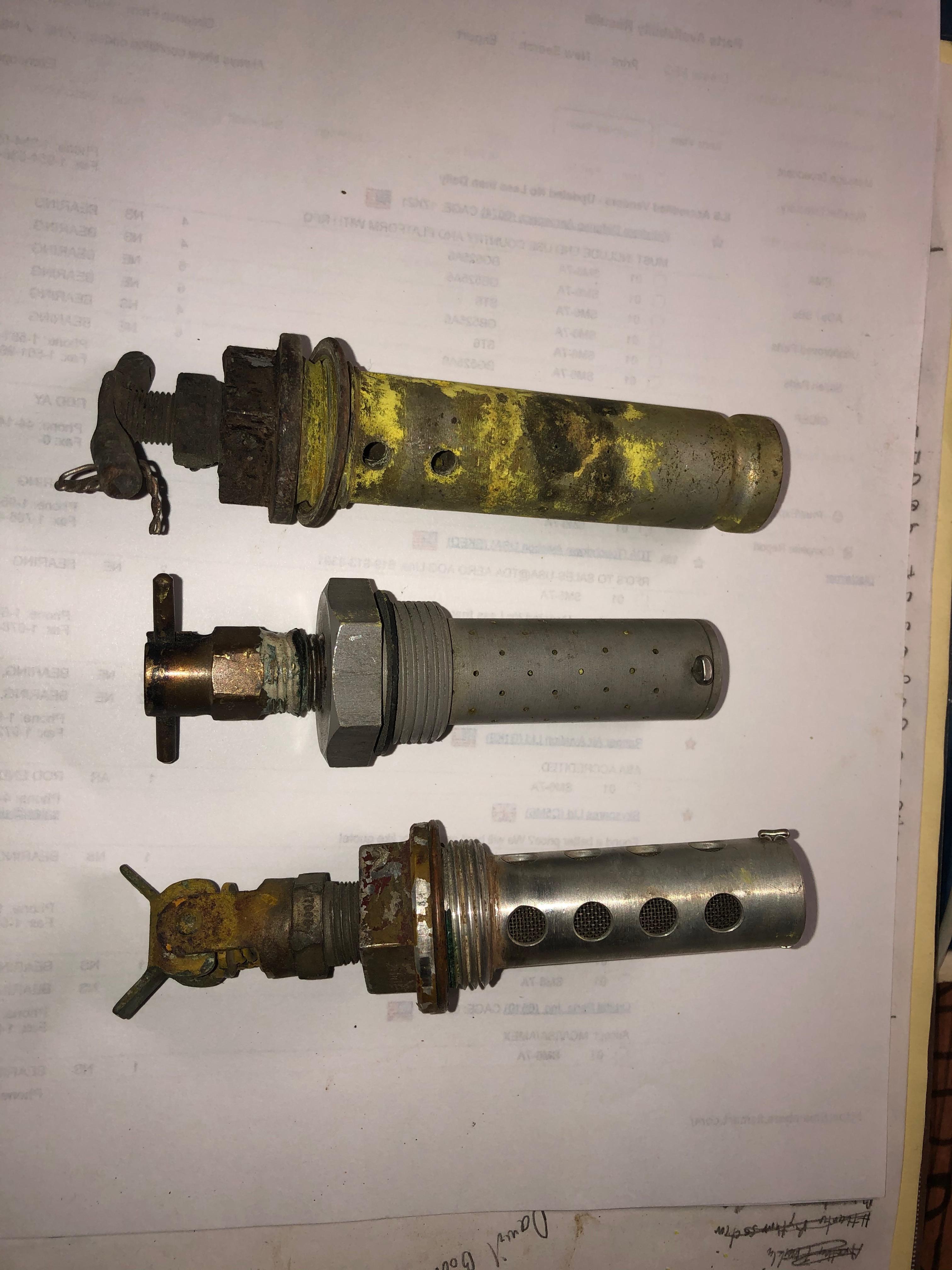
If you have ever drained fuel from the L-5 wing tanks you may have noticed that the fuel quick drain valve is screwed into a square headed thing. Perhaps that thing is a cap or plug or some old AN fitting? Well, originally it was the base part of a unit which was designed to draw water (and only water) from the lower section of the fuel tank. (that low area is known as the tank sump.)
The<span style=”text-decoration: underline;”> Fuel tank desiccant cartridge</span> or <span style=”text-decoration: underline;”>Corrosion Inhibiter Drain</span> (AN 4043) was made up of a” cap” or “base” ( which held the other components), a cylinder which held the desiccant crystals, a screen and a drain valve. (see photos.) The crystals were fuel resistant but they would absorb water over time. The cartridge was drained of fuel and water via the drain valve and the the crystals were replenished on a time schedule.
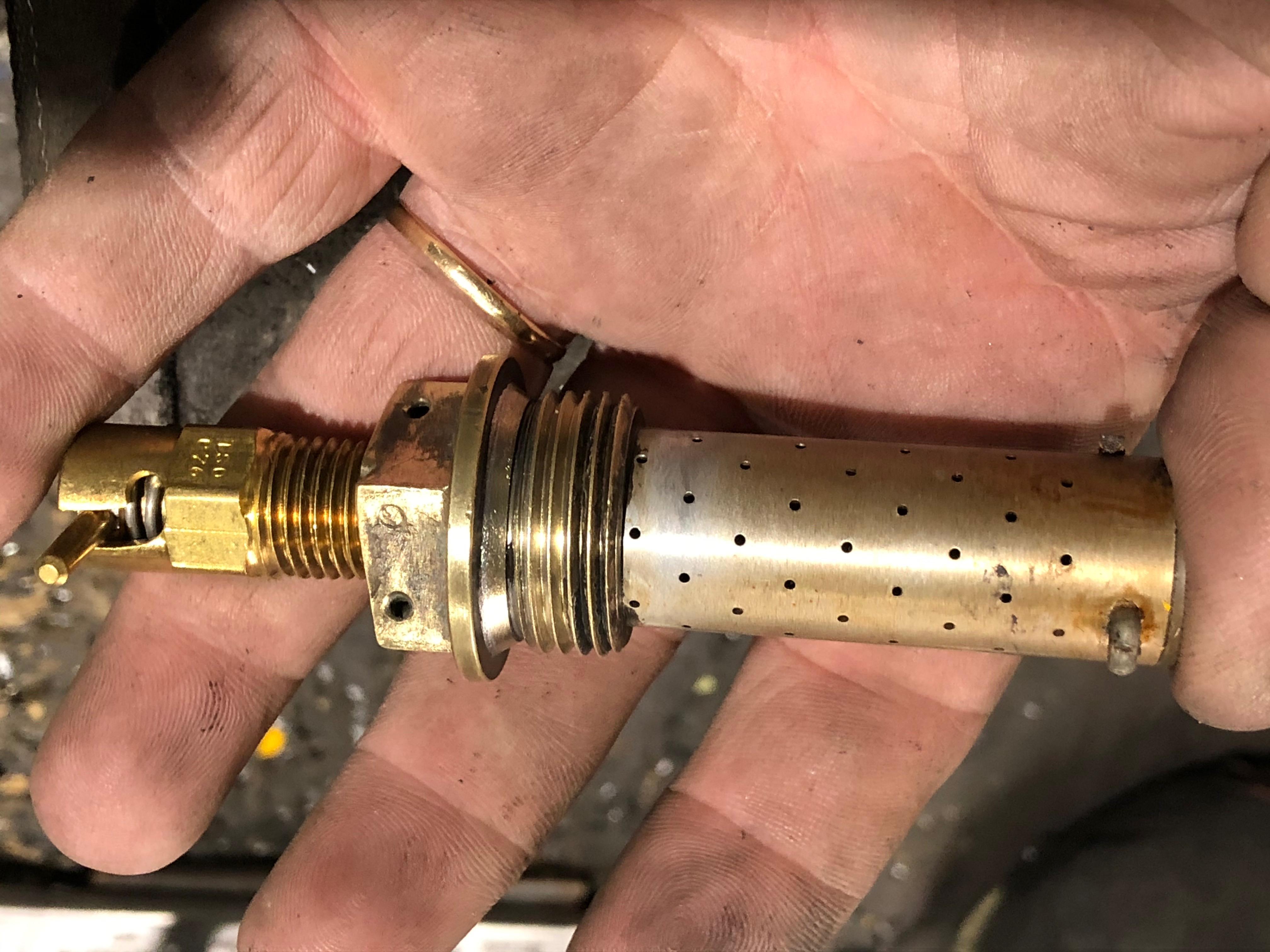
The cylinder was made from aluminum or brass and had many small holes in the side wall. The holes were large enough to allow water and fuel to pass through them but nothing else* ( more on this later). The screen was mounted in the bottom of the cylinder where it met the Cap. This screen was fine enough to keep full sized desiccant crystals from passing through them but smaller degrading crystals and water would pass through it and out the drain valve overboard.
This cartridge was a maintenance service item which would require removing the unit and replenishing the desiccant crystal level and condition inside the cylinder.
The issue with this system is two fold. 1 Most civil planes never used these cartridges and many owners and mechanics(even in the 1950’s) did not know about them. 2 * Remember the small holes in the Cylinder wall? Well, they block all debris particles from passing into the cylinder and out of the drain valve!!! This leads to debris building up in the fuel tank over time with NO way to drain out or worse that crap may work its way to the fuel outlet pick up screen.
This is what I recommend at the next annual inspection. Don’t fill your fuel tanks just before you do your inspection:). In fact, run your fuel level low to avoid draining excessive amounts of fuel:) Drain your tanks ( safely!) and remove the drain valve and base fitting. You may find the desiccant cylinder has been removed at some point in the past .Great!! Then just clean the valve seal and you can replace it back into the tank with new AN 900-16 crush gasket . See Photo below.
If you have the desiccant cylinder still in place you should remove the cylinder. This can be done by clamping the cylinder wall in a vise and crushing it slightly, then turn the cylinder about 45 degrees and do it again. Keep this up until the cylinder wall loosens from the base and is removed.
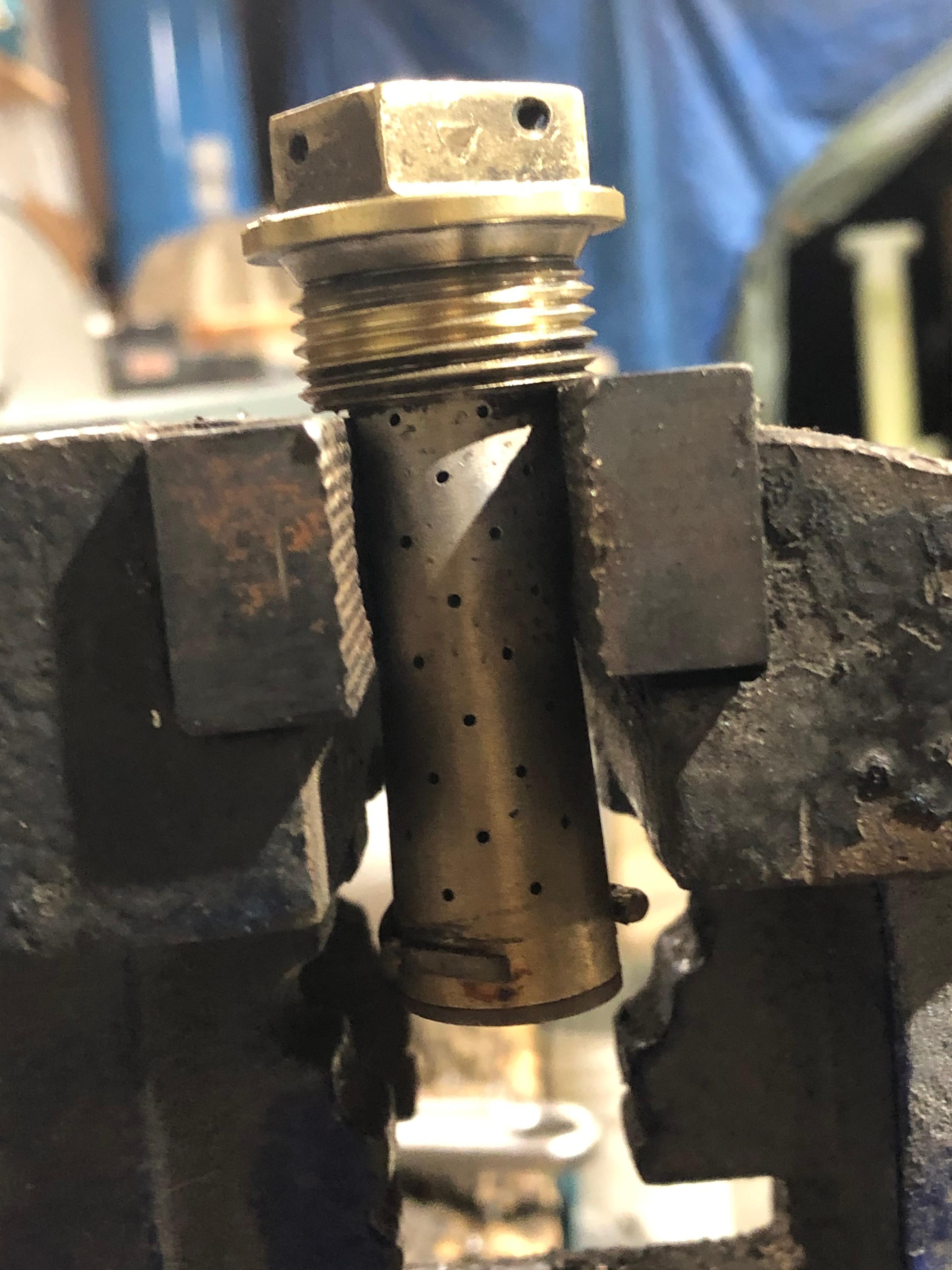
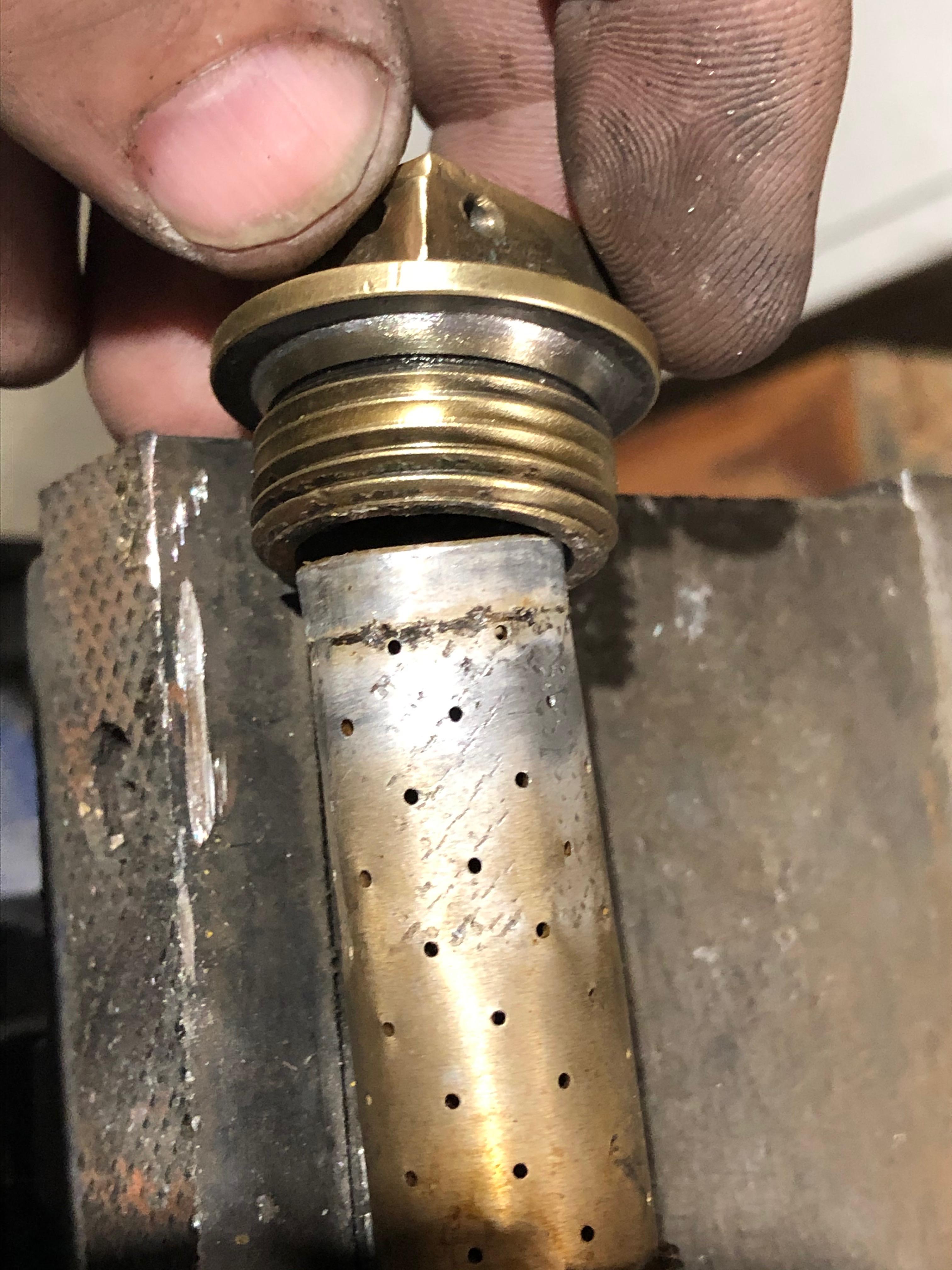
I have seen one type of cartridge which had the brass cylinder soldered to the base cap. That one still came off with the vise method.
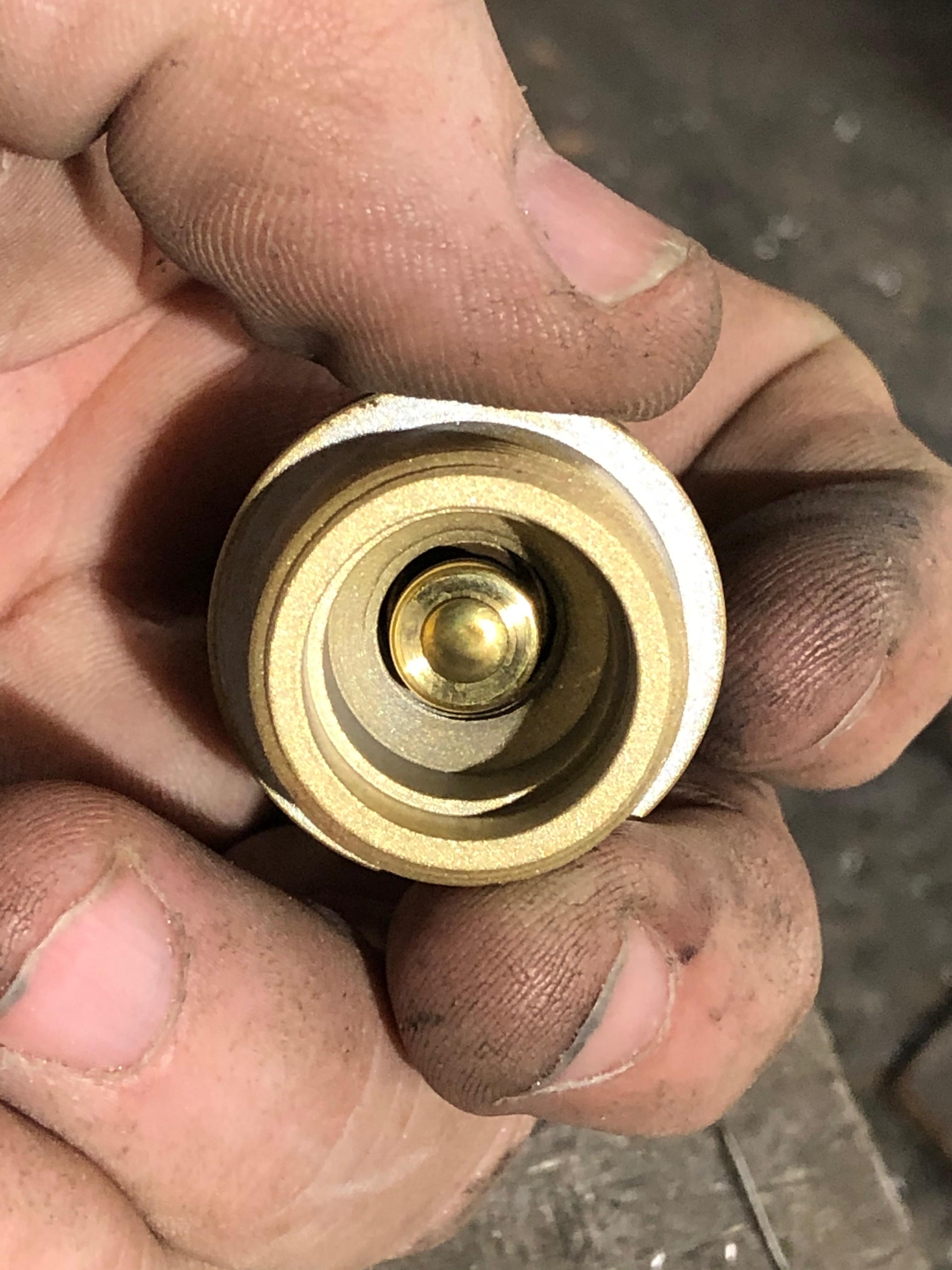
Once the Cyl is removed, the screen should fall out leaving you with a base cap and a fuel drain valve and that is all.
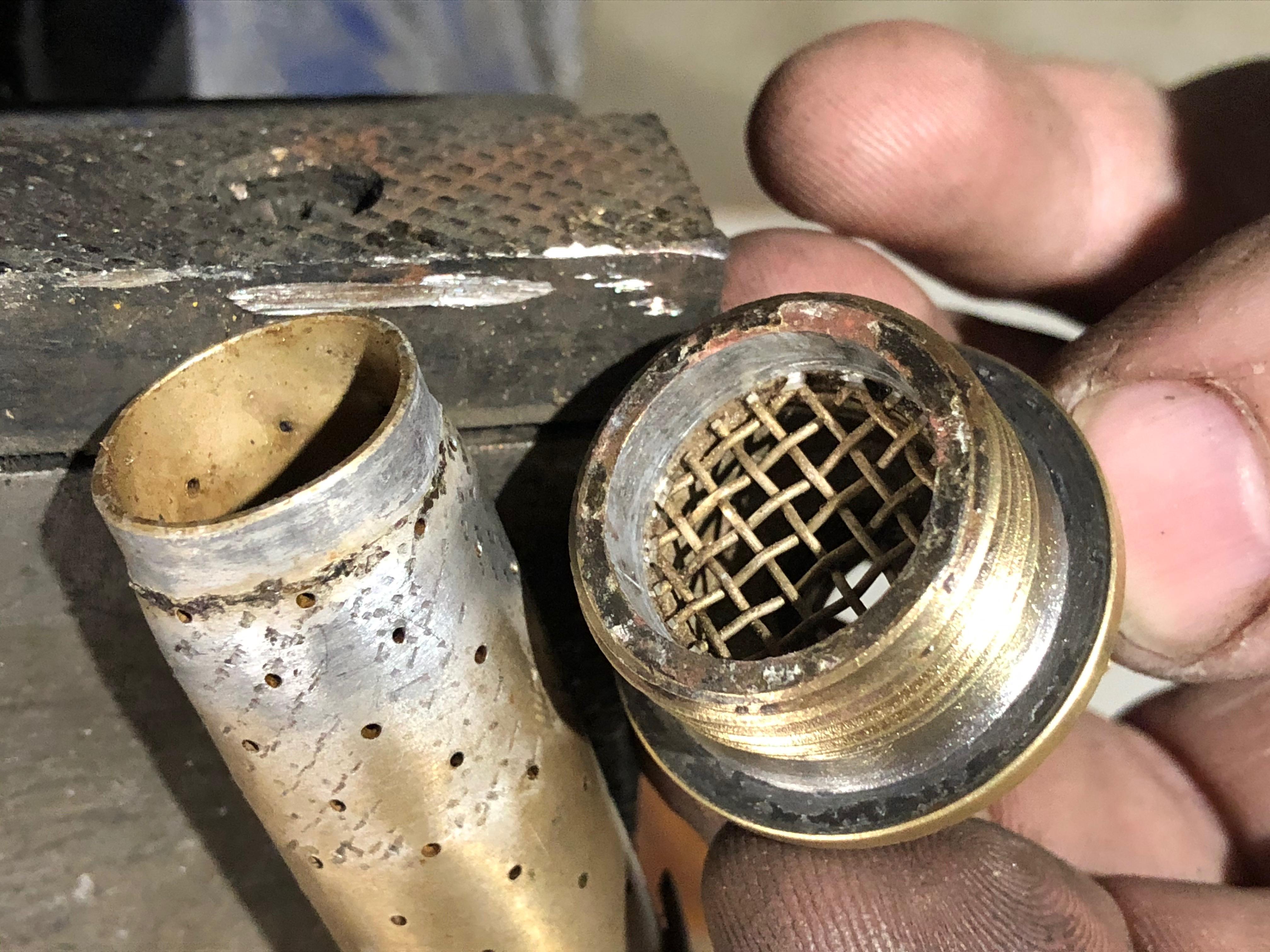
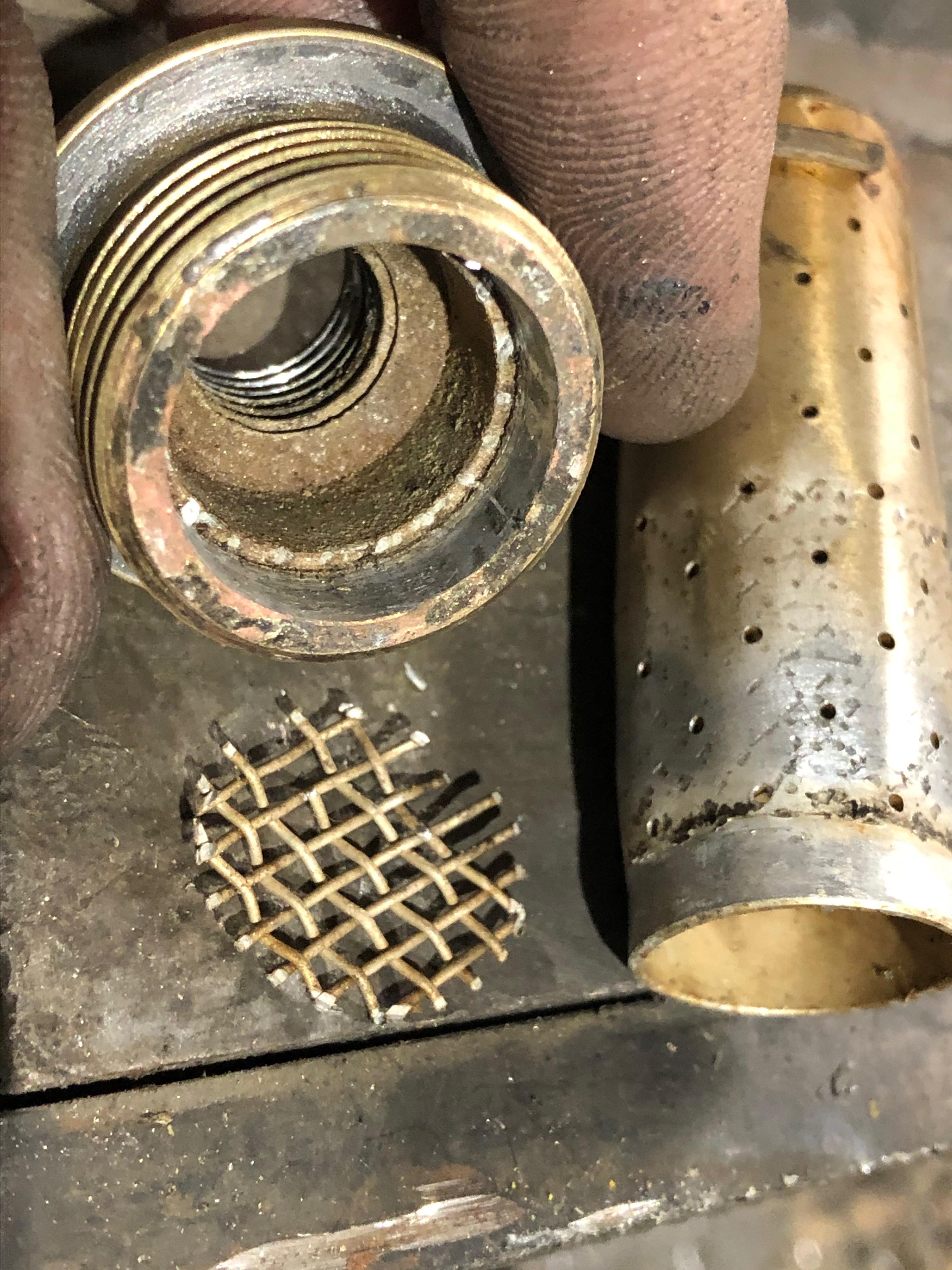
This will now allow you to drain some small crap out of the tank, through the drain valve ,should it get in there.
If I can push recommending a step further ……. while you are here (tanks drained ,sump bases out) Remove the fuel outlet fitting and check the fuel pick up screen for condition and cleanliness. Now Inspect tank interior through these holes. How? Well, a borescope works great. Ask around and borrow one or you can buy one which works with a computer for about $200.
If your tanks had the Desiccant cartridges still installed, then you most likely have debris floating around in the tank. Stuff gets picked up on fuel nozzles, and bugs crawl in vents etc. Small stuff will usually be drained out the tank sump or caught in the gascolator screen. The last line of filtering is the carb inlet screen.
Sam Taber
-
-
AuthorPosts

- You must be logged in to reply to this topic.