Main Page › Forums › L-5 Restoration Forum › Pilot and Observer Floor Boards
Tagged: Floor Boards
- This topic has 1 reply, 2 voices, and was last updated 4 years, 3 months ago by
admin.
-
AuthorPosts
-
-
2022-05-26 at 5:03 pm #5576
I have just made a set of pilot and observer floor boards from factory drawings. Would like to know if they were finished in varnish or painted interior green or some other color?
Thanks
Matt Anderson
-
2022-05-26 at 9:16 pm #5577
As you’ve probably seen, the blueprints say “SF-76” for the finish spec, and Section VII Finishing Specifications in the Maintenance handbook says that for Interior Alclads (i.e. the pilot’s foot trough plates) get prepped with 1 coat of zinc chromate and 24ST aluminum gets an additional 2 coats of “lacquer of appropriate color”. The mahogany ply bases and half-round maple edges get 2 coats of sealer and 2 coats of “lacquer of appropriate color”. The birch 3/16″ plywood observer footplates and rear floor panels get the same 2 coats of sealer and color. The catch-all in the manual is “paint to match surrounding structure”, which was also variable.
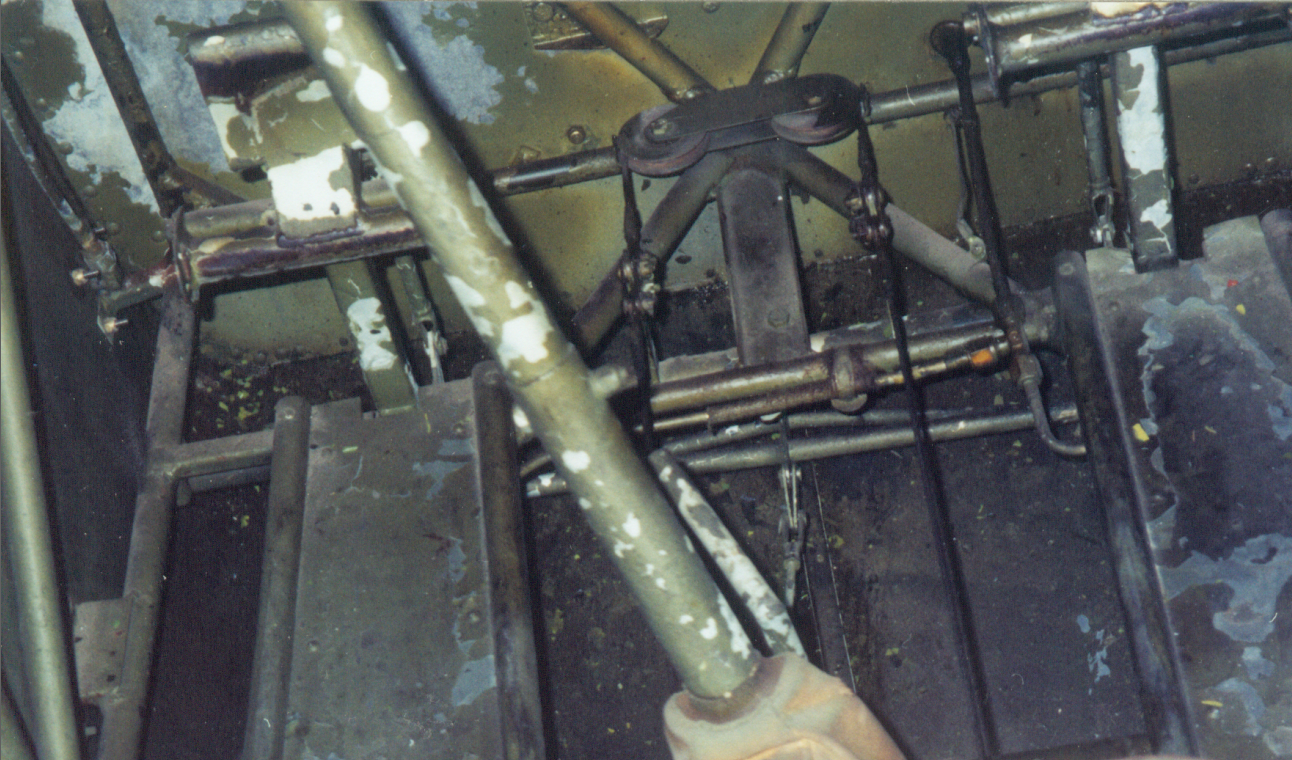
These floorboards were parts made by sub-contractors, however, so the finishes don’t appear to have been uniform over time. The colors of unrestored footplates in my collection (I have a box full of them) range from a dark black-green that matches several original pilot seats I’ve seen, to a medium green similar to the mottling on the flying surfaces, to the lighter “interior green” that is most common.
To throw a curveball at you, of seven airframes that have been through my hands, six had phenolic rear footplates installed instead of birch plywood, so I assume these were military depot-made or perhaps CAP-made replacements since that 3/16″ ply isn’t all that sturdy. Some of the replacements are black phenolic, some brown, some painted like the wood parts, and some unfinished. Several have been repainted more than once, and two sets were only painted on one side. Because of chipping / peeling paint I can pretty much tell what was old civilian work and what was original.
What all this says is you’ve got a lot of leeway. For what it’s worth, here’s a shot taken by Duncan Cameron inside Serial #1 before it was restored by the NASM. While it may have seen a depot overhaul once, it was never a civilian airplane. The rear floorboards had already been removed, so no photo of those.
-
-
AuthorPosts

- You must be logged in to reply to this topic.